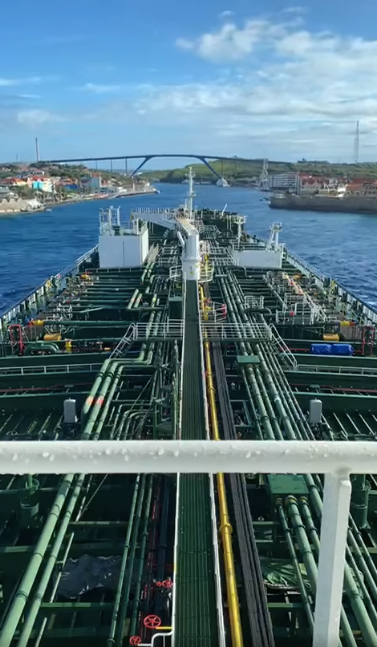
An Interview with Harbour Master Marlon LaRoche and Senior Pilot Michael Comenencia
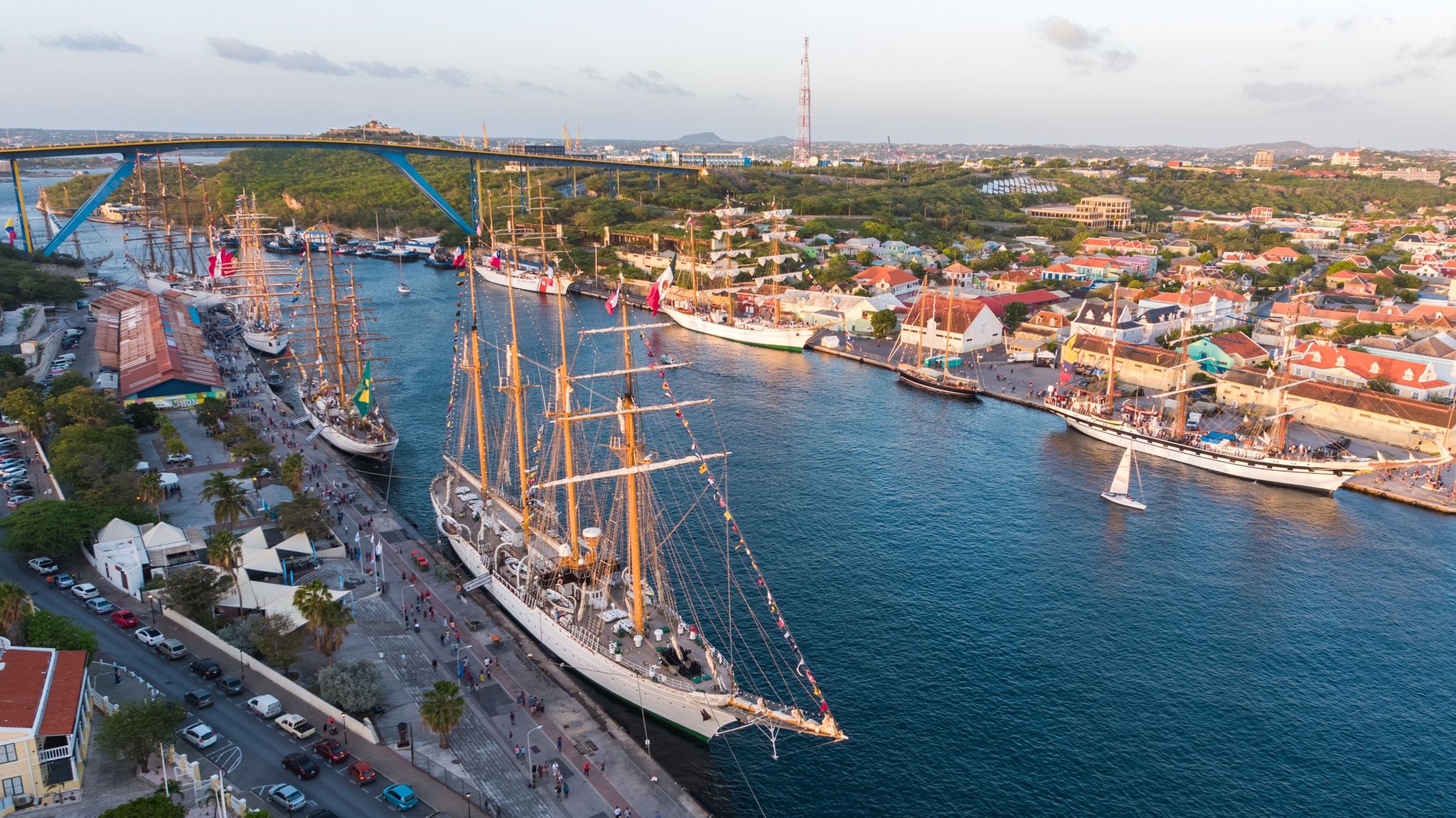
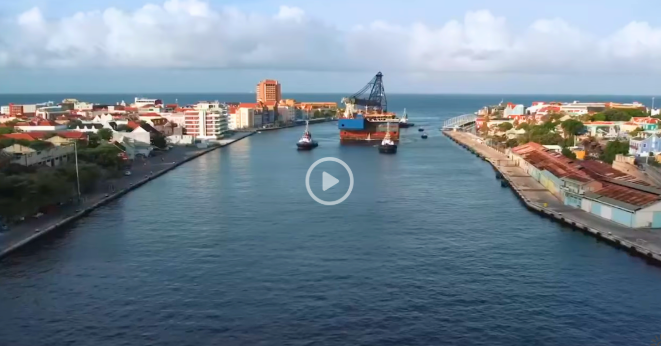
Most of us see the cruise ships, floating cities surrounded by tugboats coming into St. Annabaai, or yachts gliding silently into Spanish Water, but who orchestrates this dance? Who ensures that a massive container ship doesn't collide with a fishing boat at 3 AM on Christmas Day?
Meet Marlon LaRoche, the Harbour Master for all of Curaçao’s marine ports. Alongside Michael Comenencia, Senior Pilot and Deputy Harbour Master, they are the unseen architects of safety in our waters. Their work is a 24/7, 365-day commitment that rarely makes headlines, yet keeps our economy and our people safe.
Becoming a Harbour Master isn't a quick jump. Marlon’s journey began in 1993. He spent four years studying Zeevaart (Maritime Studies) at university in the Netherlands, followed by two full years navigating internationally. "'Two years' means two years at sea! Vacations and breaks don't count" says Marlon.
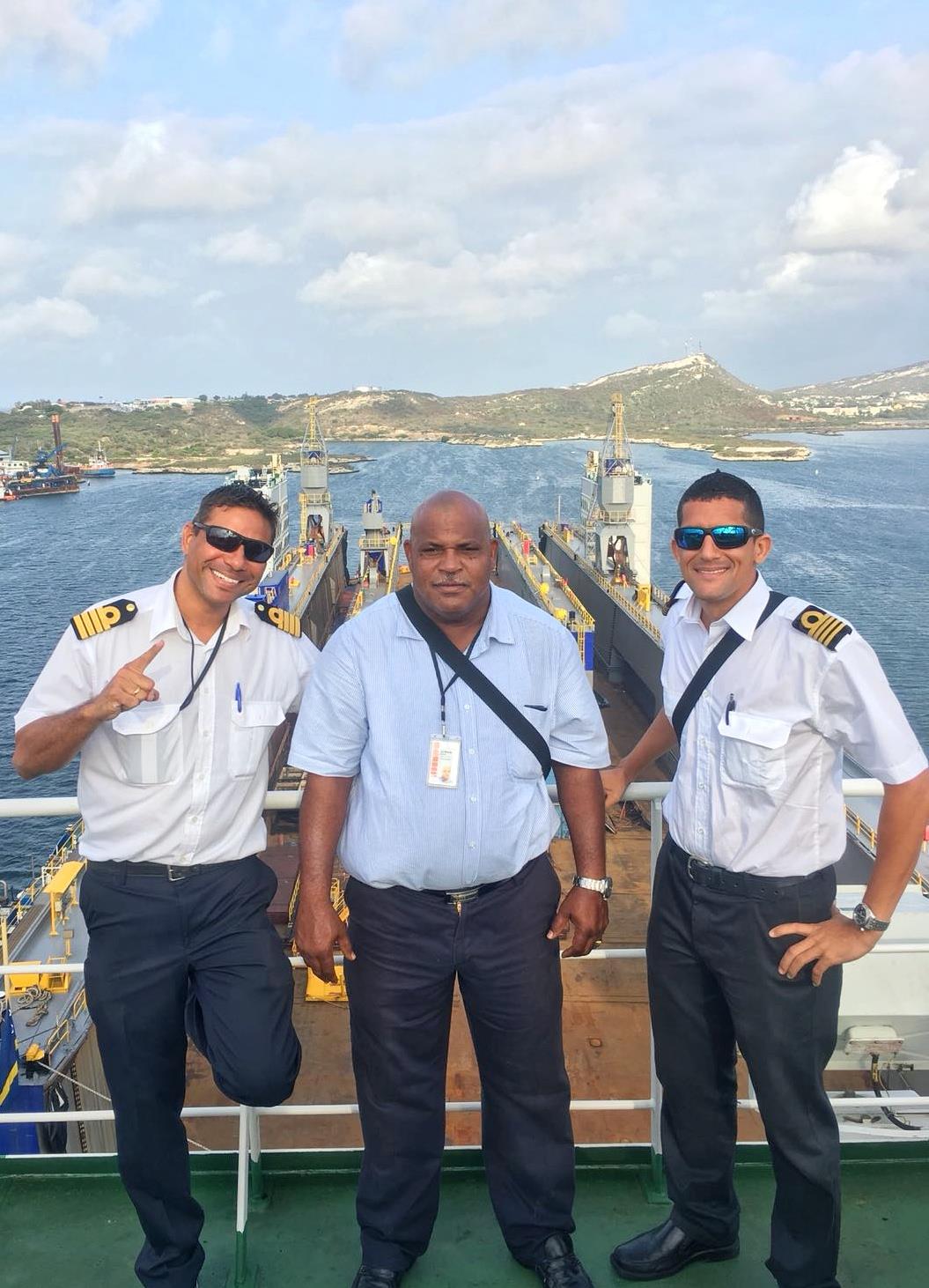
Only after that demanding apprenticeship can one apply to become an aspirant loods (prospective pilot) in Curaçao. With experience, pilots graduate to handle larger vessels. After a decade of service, they become Senior Pilots, qualified to guide every type of vessel imaginable. In total, it takes about 18 years to reach the pinnacle of this profession. Through it all, Marlon and Michael have visited countless countries, connecting with diverse cultures and mastering all the details of working at sea and safety.
The Harbour Master’s role is vast. They assign docking stations for every vessel, considering size, depth and cargo. They determine which tugboats and pilots are needed for each arrival. They oversee harbour inspections and manage the Harbour Management System, a portal where shipping agencies report every incoming vessel.
Even yachts anchoring in Spanish Water need a permit from the Harbour Master. Harbour Safety Inspection conducts routine checks, collaborating closely with the Coast Guard.
By law, every boat in Curaçao must be registered with an NC number and inspected for seaworthiness. The captain must hold a valid marine license. Dangerous cargoes—gases, fuels, oils—are handled with extra care.
Vessels of 50 tonnes or more are required to use a local pilot. The iconic blue-and-white pilot boat meets the ship and the pilot boards to execute the maneuver. Why? Because no one knows the shallow waters and narrow channels of Curaçao’s ports better than the locals.
Curaçao manages five distinct ports: Fuikbaai, Caracasbaai, Willemstad (St. Annabaai), St. Michielsbaai, and Bullenbaai. The construction of the Mega Pier was a necessity born of growth; as cruise ships grew larger, they could no longer enter the main port without blocking traffic.
Inspections are rigorous: pleasure boats are checked every two years, commercial vessels every year. Registration lasts five years. Requirements vary depending on whether a boat stays in the inland waters or ventures out along the coast or open sea.
In Willemstad, the Harbour Master is also the first responder in a crisis. Whether it’s a sudden storm, a medical emergency on a ship or a collision, the team is ready.
Their vision is simple yet sincere: "keep the ports as safe as they are now" says Marlon.
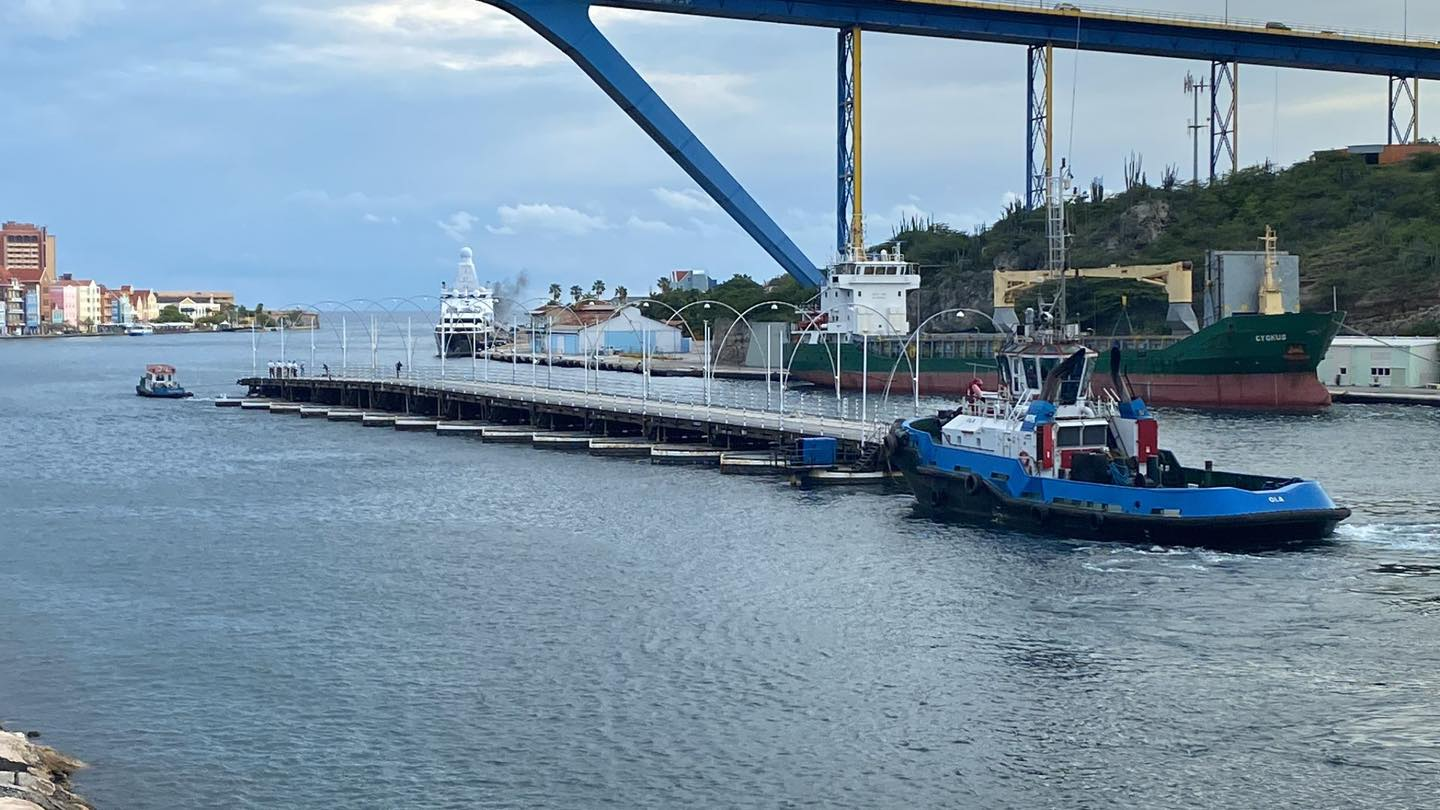
But the work gives satisfaction and has memorable moments. Marlon recalls a ship so large that no one believed it would be able to turn. Michael remembers the day Damen’s docks arrived, a massive feat of engineering that required three senior pilots to maneuver safely into place.
"It’s a responsibility that most people don't see," says Michael. "People see the tugboats, but they don't see the person at Fort Nassau, watching the screens, 24 hours a day, 365 days a year."
From holidays to the height of the pandemic, from Carnival to the quietest hour of the night, the Harbour Master and his team are the silent guardians of Curaçao’s waters.
---