United Caribbean Line Strengthens Regional Maritime Connectivity
A new regional shipping company is steadily expanding trade routes across the Caribbean. United Caribbean Line (UCL), based in Bonaire, was founded with a clear objective: to strengthen maritime connections throughout the region through reliable, solution-driven transport services. Built on the belief that the sea unites the Caribbean rather than separates it, the company focuses on supporting trade, economic resilience and long-term development between islands and mainland partners.
For Director Herbert de Jongh, the motivation was practical as much as strategic. “We founded United Caribbean Line mainly to guarantee the delivery of primary construction materials to the ABC islands,” he explains. After many years of relying on a Cayman Islands–based shipping line, discussions with regional partners led to the decision to invest in their own vessel, creating greater reliability and control over scheduling and cargo flow.
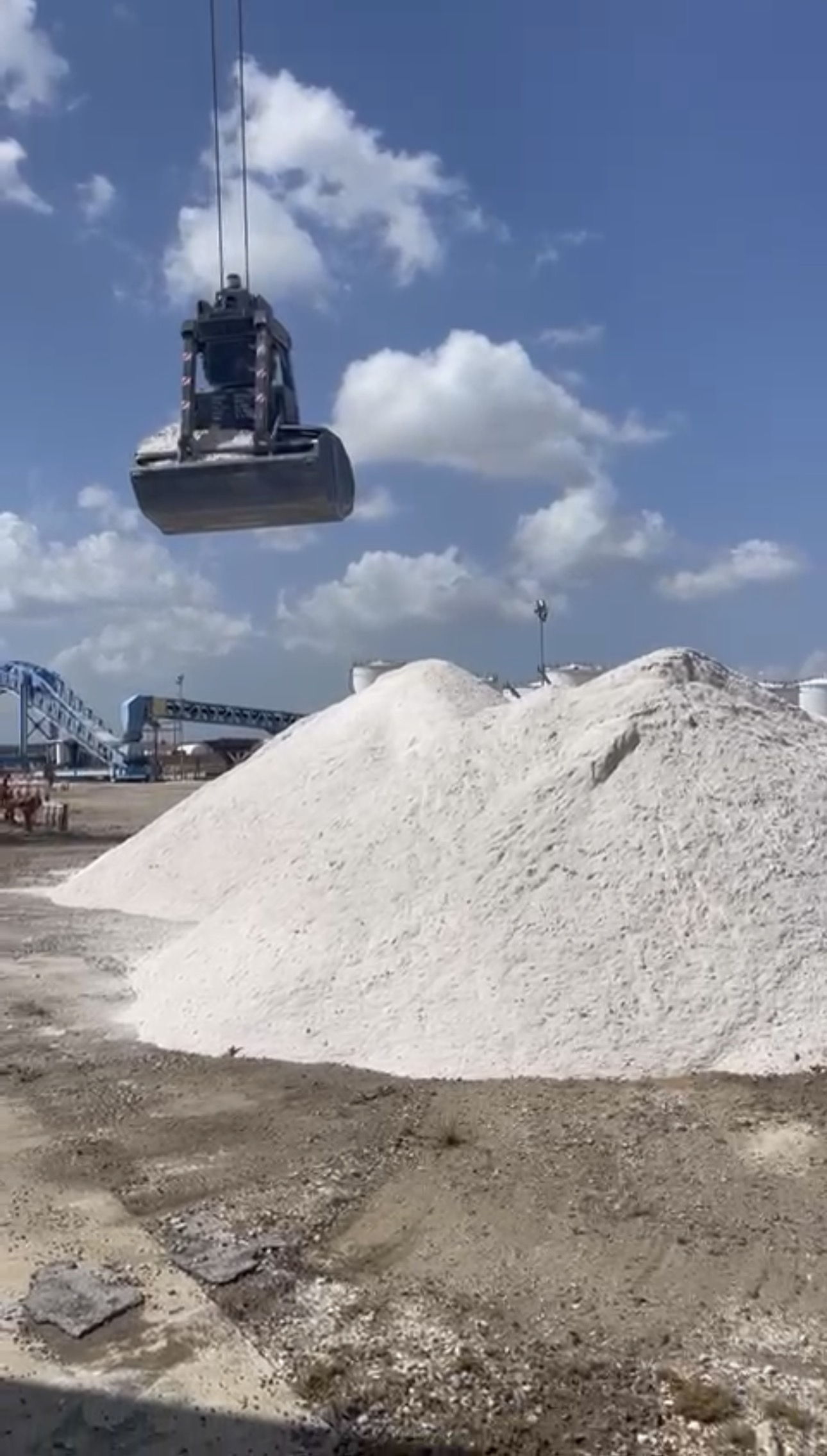
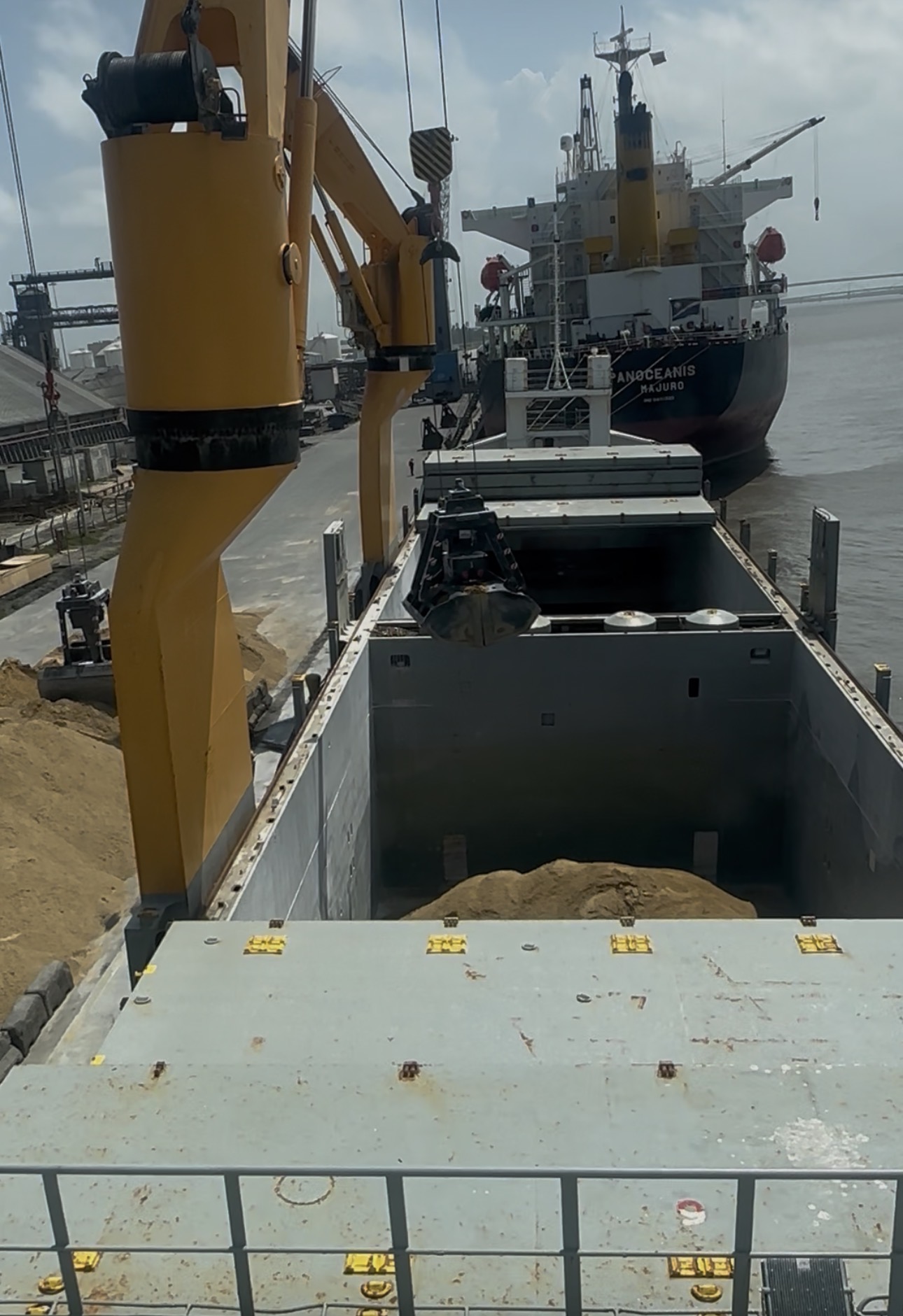
A defining step in UCL’s launch was the acquisition of its first vessel, the M/V Mayflower II. More than a symbolic milestone, the purchase represents a strategic investment in strengthening regional supply chains. The vessel was selected with a clear operational mission: to ensure a stable and consistent flow of raw construction materials, particularly bulk cargo such as sand and stone, as well as cement in big bags.
The M/V Mayflower II is a multipurpose vessel designed for the realities of Caribbean trade. In addition to bulk cargo, it can transport break-bulk shipments and containers when required. This flexibility allows UCL to serve multiple sectors while maintaining operational efficiency across a range of routes. The vessel facilitates cargo flows between Colombia and the ABC islands and supports broader regional movements, reinforcing a practical maritime bridge between South America and the Caribbean.
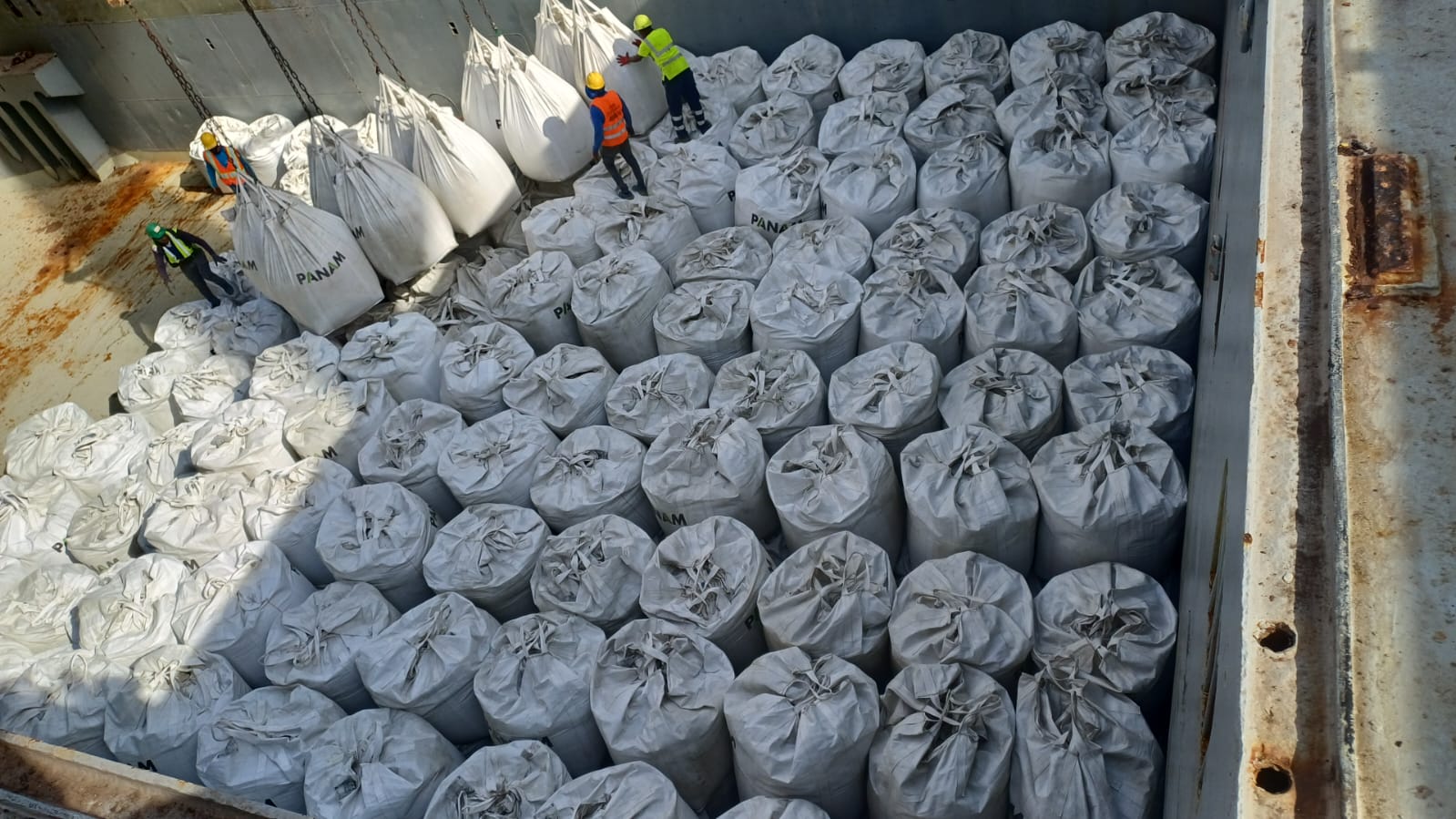
UCL operates voyage charters across a wide network that includes the ABC islands, the Dominican Republic, Trinidad, Guyana, Mexico and several Windward Islands. Charter movements have included routes such as Colombia–Santo Domingo, Curaçao–Trinidad, Colombia–Curaçao, Santo Domingo–Bonaire, Guyana–Curaçao and Colombia–Grenada, reflecting a growing demand for flexible regional shipping solutions.
In collaboration with recycling partners in Colombia, UCL has also begun transporting containers from Bonaire carrying cardboard, tires, plastics and ferrous materials for proper recycling. While the company’s primary focus remains bulk cargo flows from Colombia to the region, it is evaluating opportunities to expand containerized trade from Barranquilla and other ports.
Despite being a young company, UCL has already earned the confidence of established Caribbean cargo operators, particularly in the break-bulk segment. According to Herbert, consistency and professionalism remain central to the company’s ambitions. “Our vision goes beyond operating vessels. We aim to become a long-term logistics partner, recognized for reliability, transparency and service excellence.”
For now, UCL has not actively opened the market to new clients, as cargo volumes are largely secured through existing relationships and guarantees. Its public visibility remains modest, primarily throughinstagramupdates showcasing ongoing operations.
Looking ahead, United Caribbean Line does not intend to remain a single-vessel operator. Preparations are already underway for the acquisition of a second multipurpose vessel. “We are building step by step,” says Herbert. “Demand is there, and we want to scale responsibly, ensuring that every expansion strengthens reliability across the region.”
---